2026.10.13
You’ll find the investment that’s right for you.
Communication campaigns that convey the “essence” of Monex, Inc.
Monex Securities was founded in 1999.
We want to share—both with those just starting to invest and with our existing customers—
the approach to money that Monex Securities has cultivated throughout its history.
With this in mind, we have launched an “Introduction Site”
that uses our brand’s personality to explain how to get started with investing.
We spoke with Ms. Yokokura and Mr. Hisamatsu from Monex Securities, as well as Mr. Yonemichi from mount—who were involved in the website’s creation—
about the development process and the vision behind the site.

Members
Interviewees
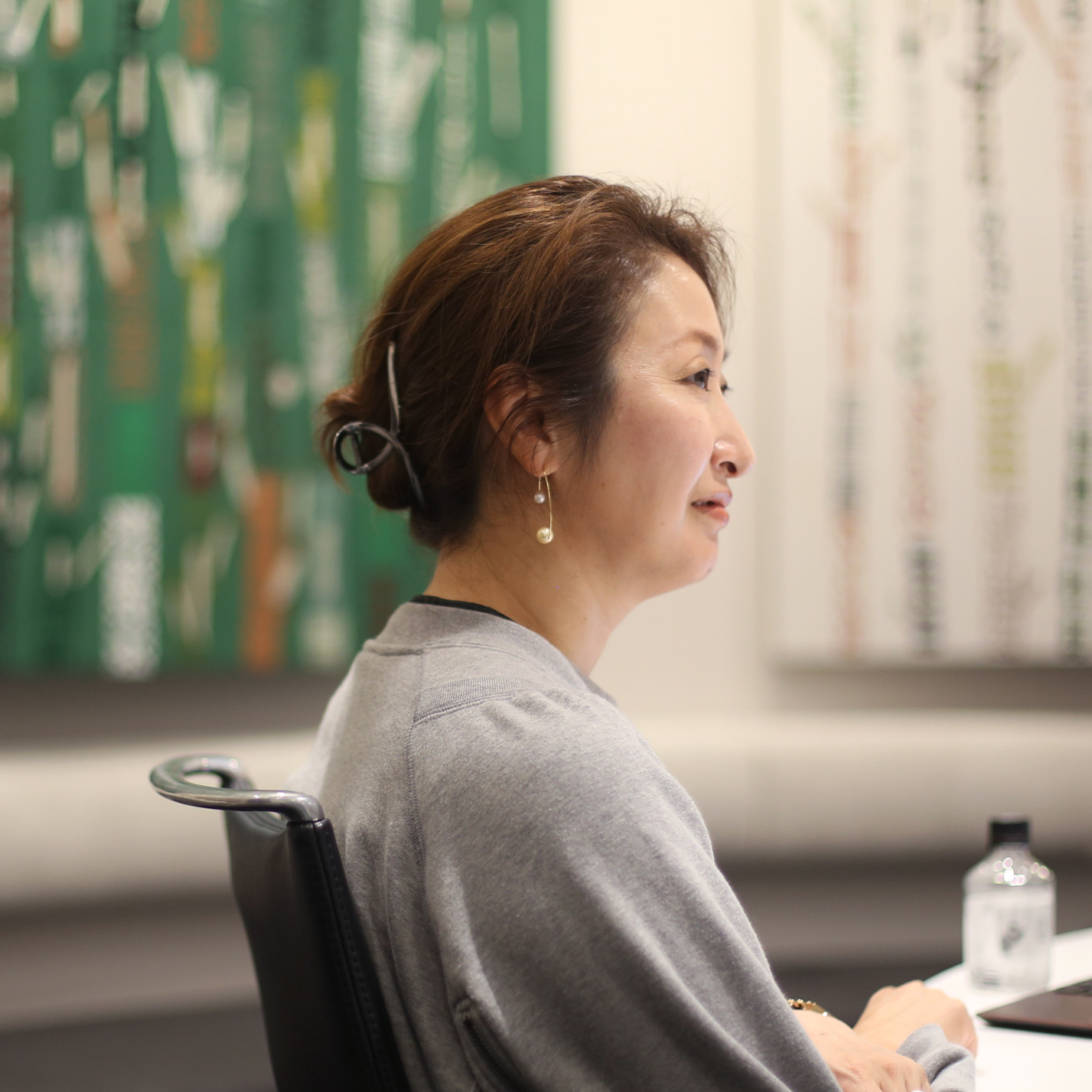
Ms. Yokokura
Monex, Inc.
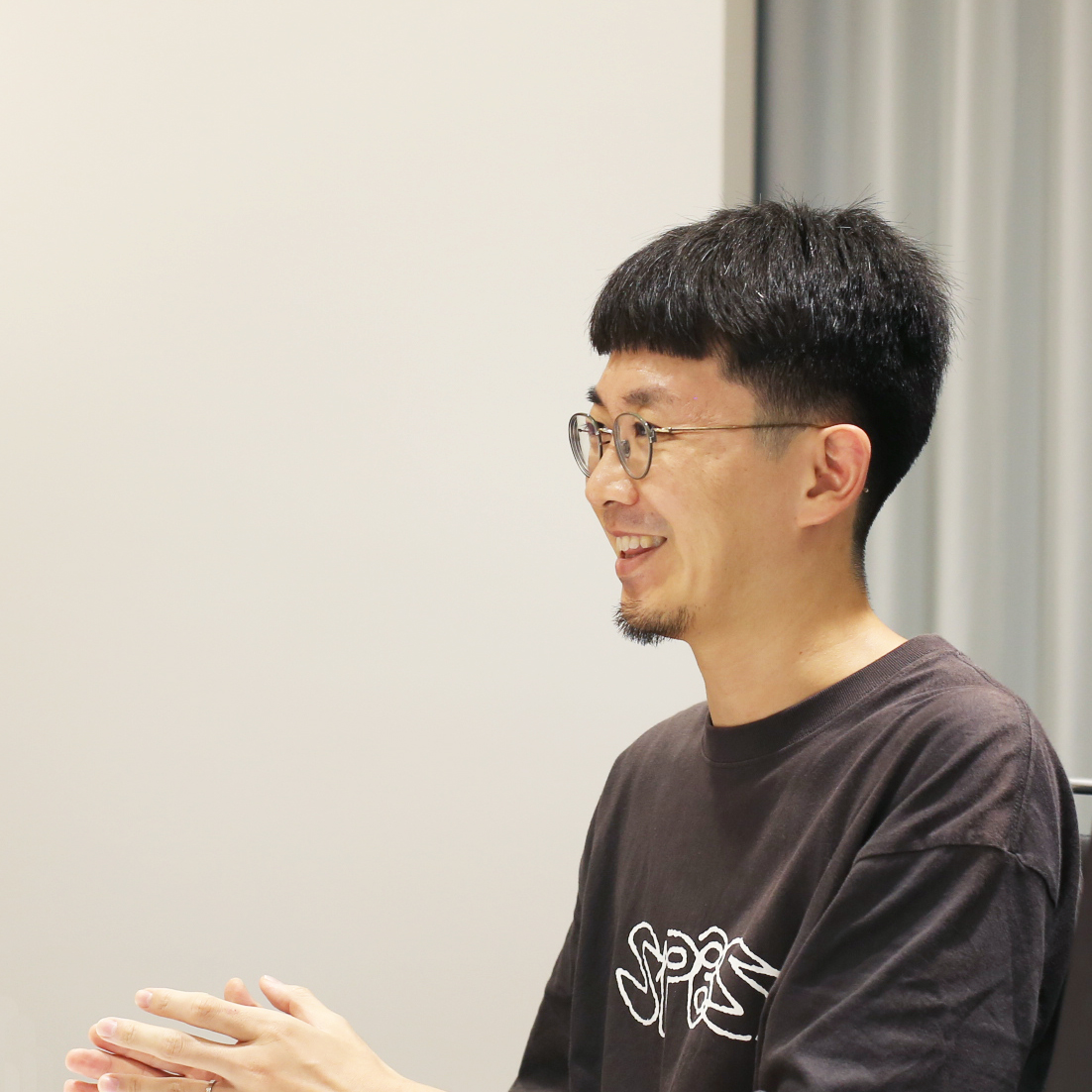
Mr. Hisamatsu
Monex, Inc.

Masahiro Yonemichi
AD
Facilitator

Shoko Nakahashi
Dir
Photo
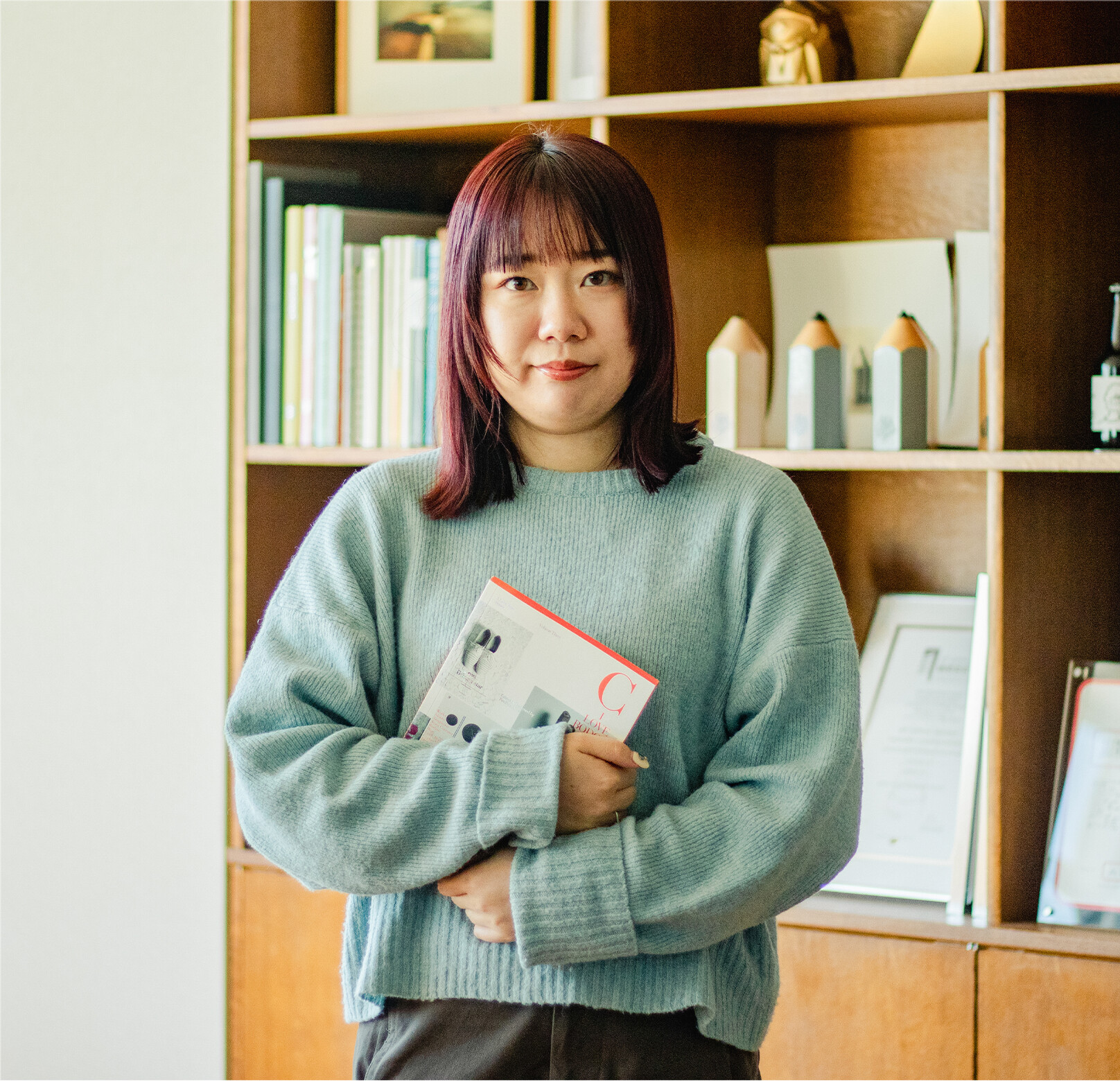
Marin Yamasaki
Des
Rediscovering What Makes Monex Unique
Nakahashi:
To start, could you tell us what led to the creation of this website?
Yokokura:
Monex has been around for more than 25 years, and over that time, it has built up so much that’s worth celebrating—from its founding principles to the things it has put into practice over the years. But I felt that these stories and values had accumulated as separate pieces, making it harder to see the bigger picture and clearly express, as a company, “This is who we are.”
I’ve always seen Monex as a company that goes beyond simply offering financial products. To me, it has a genuinely warm philosophy about life—one that considers not just money itself, but also the relationship people have with money and the happiness that lies beyond it.
I believe the goal should be not simply to make investing accessible to the masses, but to truly democratize it. Monex doesn’t just share financial information; it also seeks to give people the knowledge and perspective they need to think about money for themselves. That’s another thing I’ve always found compelling about the company.

Yokokura:
We wanted people who were new to investing to discover this side of Monex, too. Before asking them to open an account, we wanted to create a space where we could properly introduce ourselves as a company and give people a chance to get to know us and feel a connection with us. That was where the idea began.
——Within Monex, the team had been taking a fresh look at the company’s core values through workshops involving the president and other executives. They were looking for a team who could help them explore the challenges that emerged from those discussions and turn their ideas into something tangible.
An Unlikely Pairing: Monex and mount
——As Monex looked for a partner to help explore its challenges and shape new ideas, mount emerged as a candidate. Yokokura was already familiar with the studio’s work.
Yokokura:
I’d known mount’s work since my previous job, so I was excited by the thought that they might create something truly surprising.
At the same time, I wondered, “Can they do finance?” It was such an unexpected pairing that I couldn’t quite imagine what would come of it. Honestly, I wasn’t sure what to expect when I first reached out to them.
Since we don’t have an in-house creative director, we’ve been working with Tomohito Ushiro of White Design, who advises us on brand direction. His encouragement played a big part in our decision to work with mount.

——mount had not worked extensively on websites for the financial industry. Yokokura, however, saw potential in bringing a different perspective to the table.
Yokokura:
I was determined to work with a company that was respected in the web design industry. At its heart, the relationship between money and life should be an incredibly creative subject.
I wanted people to think, “A securities company choosing mount? They must be planning something interesting.” If that kind of buzz could spread, I hoped it would open the door to building connections with more creative minds and bringing them into our world.
——Yonemichi also looks back on their first meeting.
Yonemichi:
When we first met and I listened to their ideas, I could really feel how strongly the Monex team wanted to address the challenges they were facing.
I only started investing myself two or three years ago. People had been encouraging me to invest for years, but it always seemed complicated, and I could never quite bring myself to take the plunge.
That’s why the question of how to lower the barriers for people who find investing intimidating felt very close to home. As I listened to them talk, I gradually felt a growing desire to help.

Before Design Comes Direction
Yonemichi:
From the outset, we talked about looking beyond the website we were creating at the time and considering the service websites that would follow. We wanted to map out the customer journey, identify the key touchpoints, and make sure we created something that would genuinely work.
The goal was never just to make something cute, stylish, or cool. First and foremost, it had to deliver meaningful results for Monex.
At mount, we believe good design is about creating things that work—things that make a real difference. Finance was a new field for us, but our approach remained the same: think things through logically and imagine the needs and perspectives of different people.

Yokokura:
The biggest surprise was when mount suggested, “Let’s start by putting together a strategic brief.” It was the moment I realized they were a much more grounded team than I’d expected.
At first, I’d wondered whether the creators’ egos might take over. But once they proposed starting with a clear direction, I felt reassured. They had listened to us so carefully and openly. It felt as though they were reflecting our thoughts back to us without changing what we meant. There was this wonderful feeling of, “They really get us!”

What Does It Mean to See Investing as a Tool for Self-Realization?
——As mount began shaping the project’s direction, one of its central questions was how to create an entry point that would resonate with people just starting to invest. Nakahashi and Yonemichi explored the idea from the perspective of different types of customers, imagining their needs, concerns, and motivations.
One clue came from a phrase Monex had shared with the team: “redefining investing as a tool for self-realization.”
Yonemichi:
When I saw the phrase “a tool for self-realization” in Monex’s project brief, I found myself wondering, “Did I think of investing that way when I first started?”

Yonemichi:
When I first started investing, I don’t think I saw it as a tool for self-realization. But I thought, maybe investing could make sense if it helped me afford a piece of furniture I really wanted or spend more on a hobby I loved.
Then I had a moment of realization: assets aren’t just money. Even a piece of furniture you love can be an asset in its own way. That was when things started to click. I began to see how this connected with what Monex had been talking about all along: the things people love and the lifestyles they want to lead. And that’s when I started to see a way forward.

Not Creating Something New, but Finding New Ways to Express What’s Already There
As the project’s direction came into focus, work began on the copy, visual design, and illustrations.
Nakahashi:
What was most important to you, Yokokura? Were there things you felt the team had to get right, without losing sight of them?
Yokokura:
I didn’t see this as a rebranding project. To me, the mission was to find new ways to bring what makes us who we are to today’s audience. So we worked through every detail together, even down to individual lines of copy, making sure the tone never felt like we were talking down to people or telling them what to do, and that it genuinely reflected the character of Monex and who we are as a company.
That said, we didn’t have a clear definition of what made us uniquely Monex from the outset. As we explored it together, mount helped us see our own world from a fresh perspective, bringing things into focus that we hadn’t necessarily been able to articulate ourselves. That process was challenging at times, but it was also fascinating.
——One example of this ongoing dialogue around what makes Monex unique was the refinement of the color palette.
Yokokura:
The initial palette mount proposed had the feel of a stylish culture magazine, with its muted colors. But I felt that presenting it internally as “a new interpretation of Monex” wasn’t quite right.
We talked it through many times, and the team took the time to fine-tune the colors with us. When everything finally came together, the result felt so fresh and full of clarity. I was genuinely moved.

Nakahashi:
At first, we proposed a design that moved away from yellow as the base color, hoping to create an impression that felt different from Monex’s existing look. But as we explored different directions, we came to realize that yellow was, after all, the color that felt most distinctly Monex.
Through a process of trial and error, we arrived at an unexpected combination: pairing yellow with vivid purple and green. It allowed us to preserve what made Monex recognizable while creating a look and feel unlike anything the company had done before.
Yonemichi:
As designers, we were also hesitant to push things too far. We knew that, as a securities company, Monex needed to retain a certain sense of seriousness and credibility, even while exploring a more unconventional visual direction. We couldn’t quite bring ourselves to make that leap right away.
But after many conversations, we finally found the confidence to take that step. I think the result came from creating something together—not just among ourselves at mount, but in close collaboration with everyone at Monex.

——The illustrations’ animation also played a major role in shaping the overall feel of the website. Hisamatsu recalls how surprised he was when he first saw the proposed implementation.
Hisamatsu:
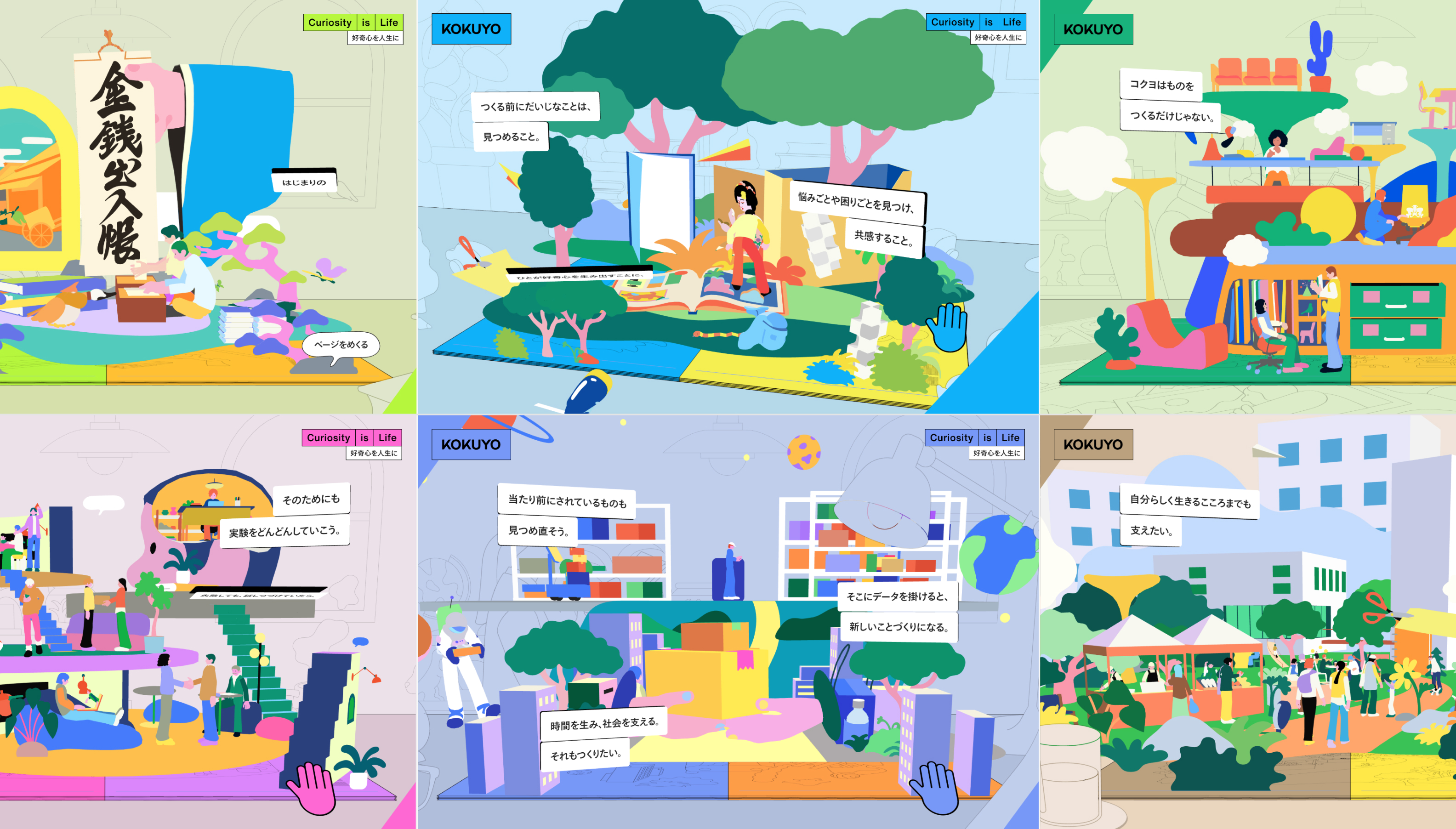
I remember feeling pretty excited when we saw the implementation proposal. Seeing the illustrations come to life through animation, rather than simply sitting on the page, was genuinely moving. The pacing and balance of the movement felt just right, making everything easier to understand and genuinely fun to watch.

Yokokura:
The implementation was absolutely brilliant! The team had brought even the smallest details of the illustrations on Monex’s “What Makes Us Different” page to life with animation. I remember thinking, “That’s mount for you!”
——The ideas and principles shared in the project brief were now coming to life on screen. Yokokura and Hisamatsu’s words conveyed the excitement and joy they felt when they finally saw the finished website.
The Hopes Behind the Website—and What Comes Next
Nakahashi:
How do you hope people will feel when they visit the website? And looking ahead, how would you like Monex to be perceived as a company?
Yokokura:
I’m excited—and a little nervous—to see how people respond to it. I see this website as a first step toward helping more people get to know Monex. There’s still so much more we want to share.
For now, I think we’ve created a welcoming first point of contact—somewhere people can get a sense that “This securities company feels different from the rest” or simply, “I like the feel of this company.”
——And the hopes for the website extend beyond the people who visit it.
Yokokura:
I’d also love for our employees to feel proud of it. I hope they’ll see it and think, “We really are the kind of people who care about our customers in such a warm, thoughtful way.” And then perhaps they’ll start to reflect on what that means for their own work.
To me, a branding project is a bit like falling in love with your own company all over again. I’d love for our employees to look at Monex and think, “Hey, our company is actually pretty cool.” If this website can give them even a little nudge in that direction, I’d be really happy.
Yonemichi:
I feel the same way. I’d love to see that feeling spread among employees and the people around them, too. And as that sense of pride and understanding grows, I think it can ultimately become part of a broader rebranding of Monex.

Hisamatsu:
Monex is approaching its 30th anniversary, but I feel that it has become less visible to younger generations. Rather than being seen as just another player in the field, I want Monex to be recognized and appreciated as a unique company, with a distinct presence of its own.
I also really liked the competitive analysis Yonemichi presented at the beginning. Other companies tend to focus on sales promotions or highlighting product features and functionality. Against that backdrop, I’m excited to see us take a more emotional, human-centered approach. I hope that, both inside and outside the company, people will come to recognize that Monex is doing something different—and that this difference is what makes Monex unique.

——On the website, financial products and services are introduced based on the interests and investment goals each visitor selects. The Monex team took the lead in deciding which specific products and services to feature.
Yokokura:
Once we had established the concept of starting with what people love and what they want to achieve, it was up to us to decide what investment approaches and products to recommend. I felt that was our responsibility, and while it was challenging, it was also the part of the project I’m most glad we took on.
This project gave us valuable time to think deeply about what we, as Monex, really want to communicate. Having done that work, I believe we’ll be able to move forward and bring new ideas to life much more quickly from here on.
——The effort to address the challenges Monex had identified and find new ways to communicate what makes the company unique is only just beginning.
Monex’s journey of exploration and discovery continues.