2026.10.19
How Does Great Work Come About? — Takram and mount in Conversation About What Makes Their Work Distinctive
When we look at Takram’s work, there’s something about it that feels distinctly “Takram.” Yet, if asked what exactly makes us feel that way, it’s not easy to explain.
Recently, we held a meet-and-greet with Takram’s design engineers. We discussed everything from their portfolio to their personal interests and how they approach teamwork. As we listened to their stories, we began to see the people behind the work and how they approach what they do—things that aren't visible in the finished work alone. And that question came right back to us at mount.
Different people work on different projects. Yet why do we still sense something distinctive about the work of the same company?


Members
Takram Design Engineer
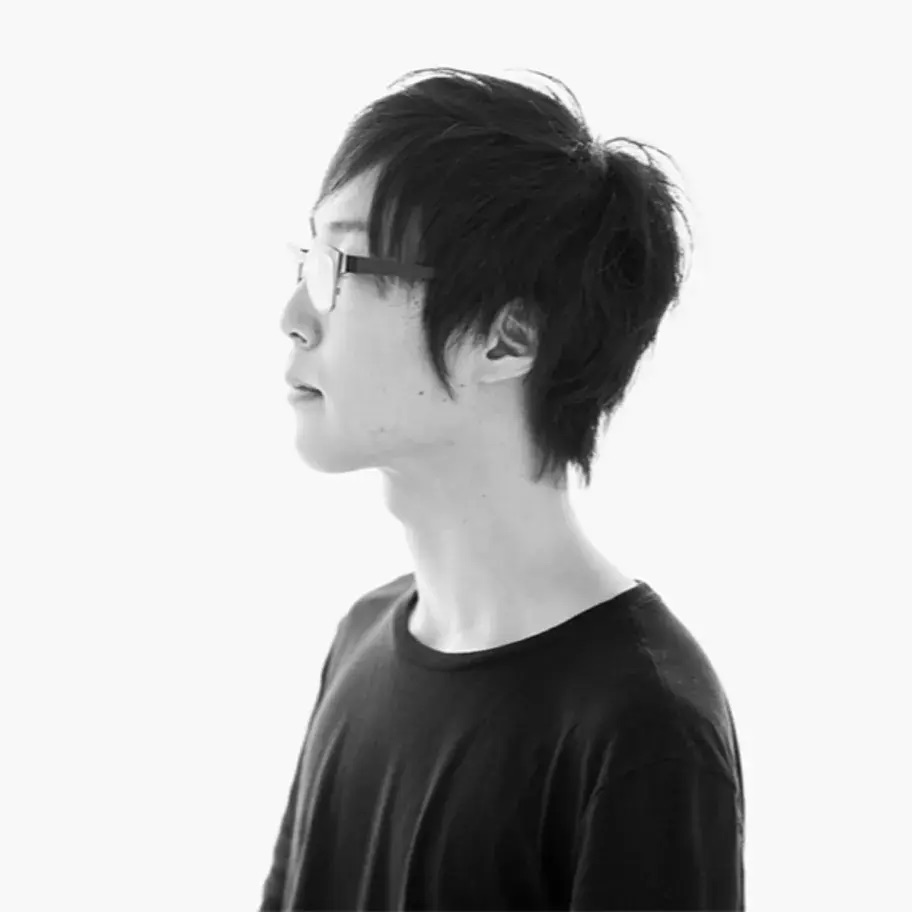
Shota Matsuda
Design Engineer, Project Director
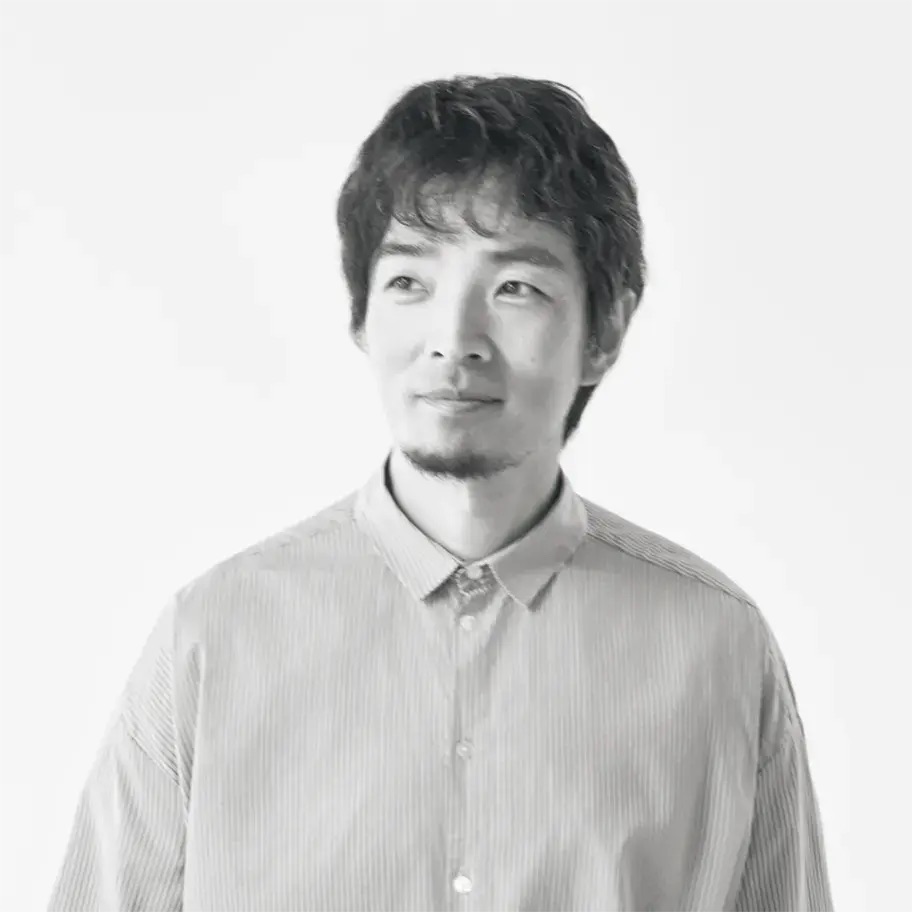
Hisato Ogata
Design Engineer, Project Directo
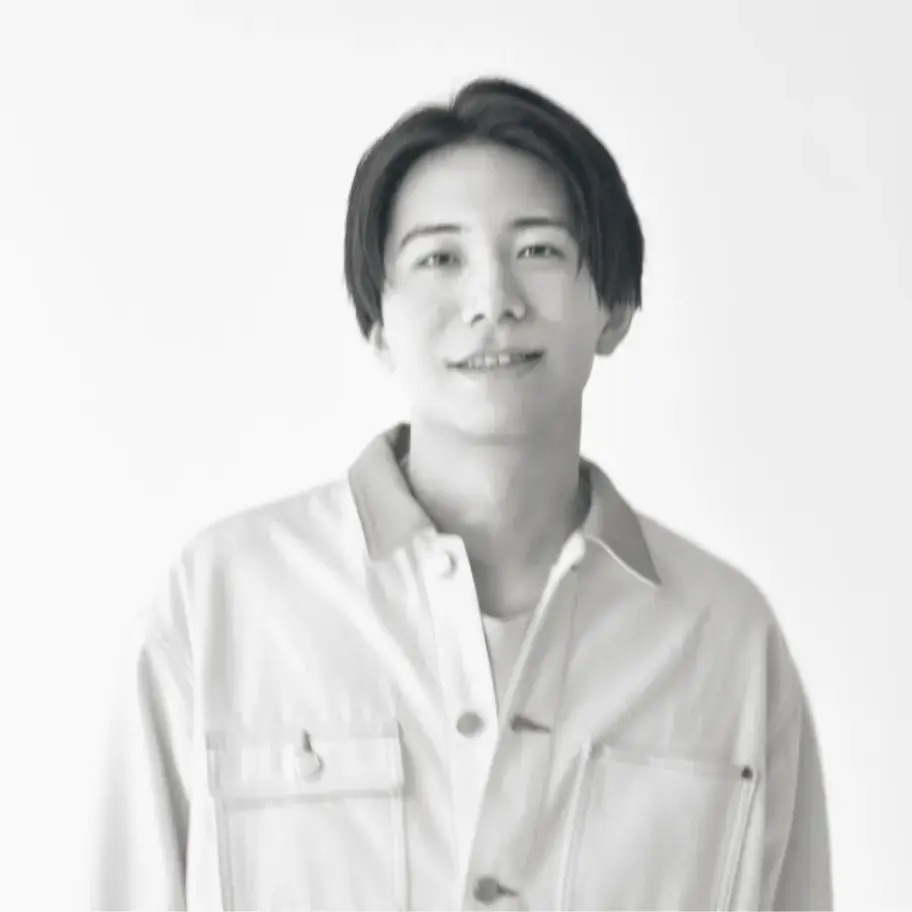
Masato Nomiyama
Design Engineer, Project Director
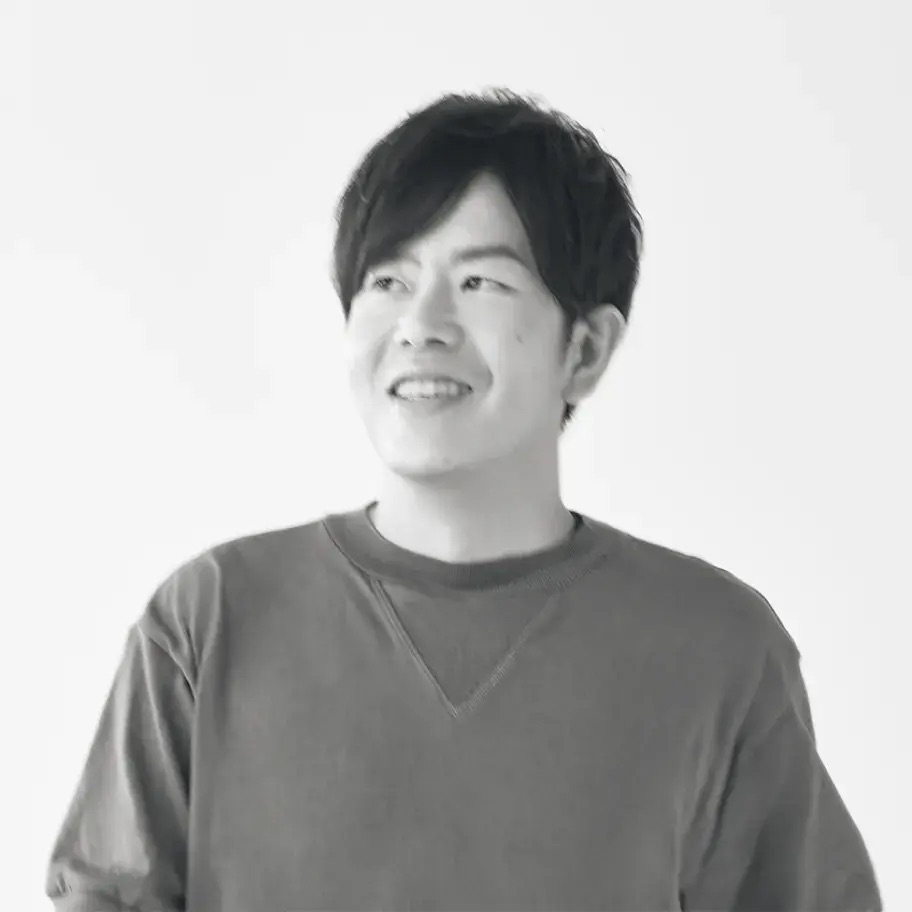
Takaya Deguchi
Design Engineer, Service Designer, Project Director
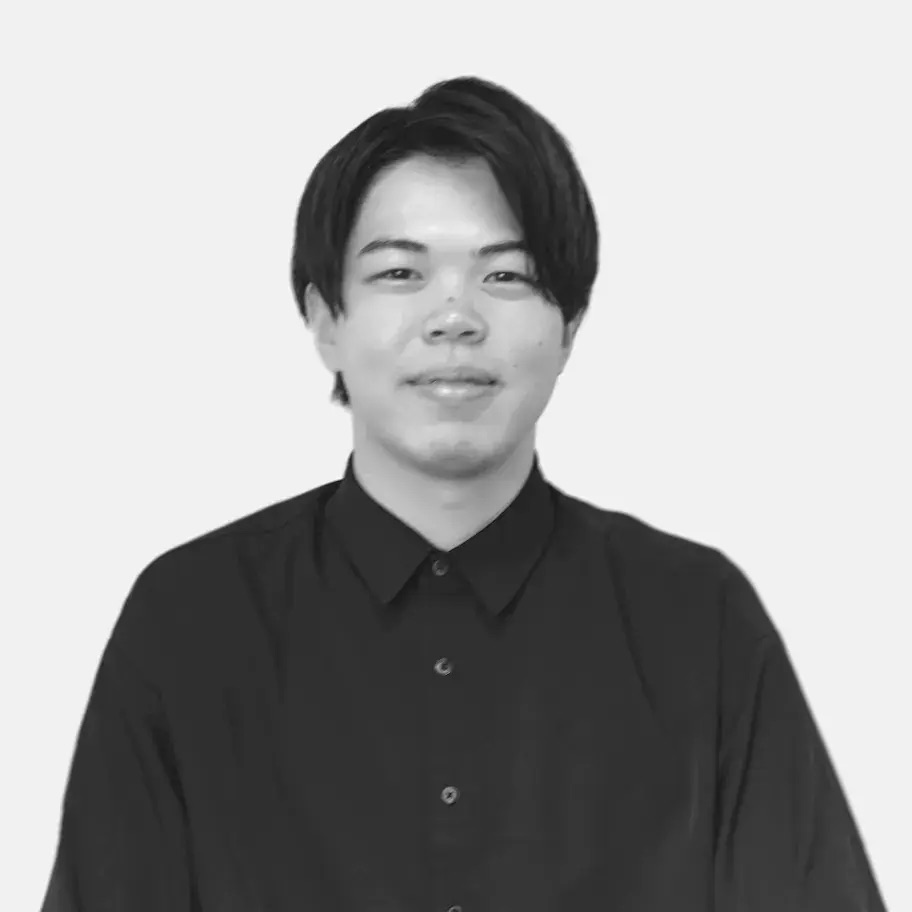
Yahiro Nakamoto
Digital Product Designer, Design Engineer
mount Engineer
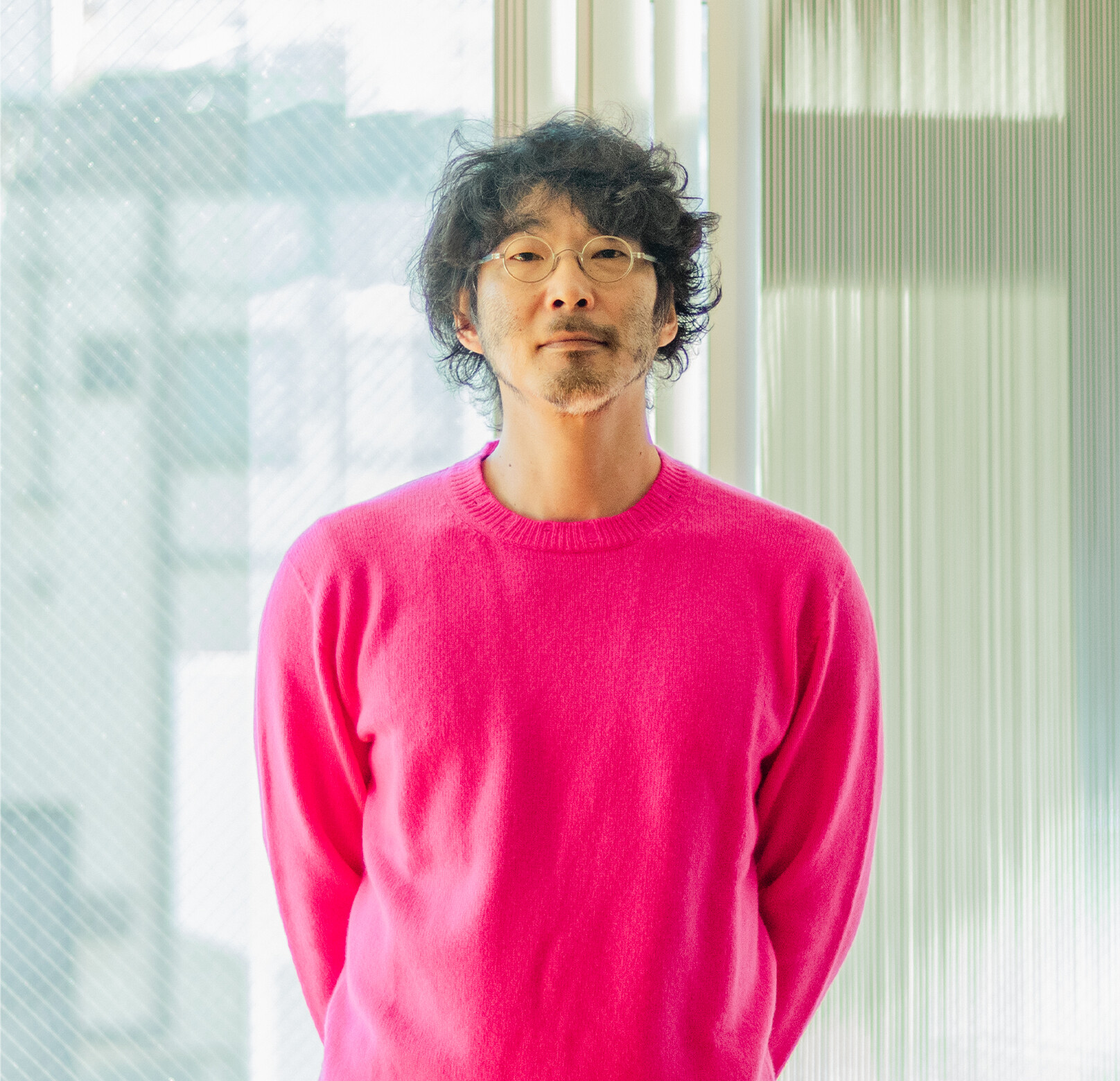
Takeshiro Umetsu
TD
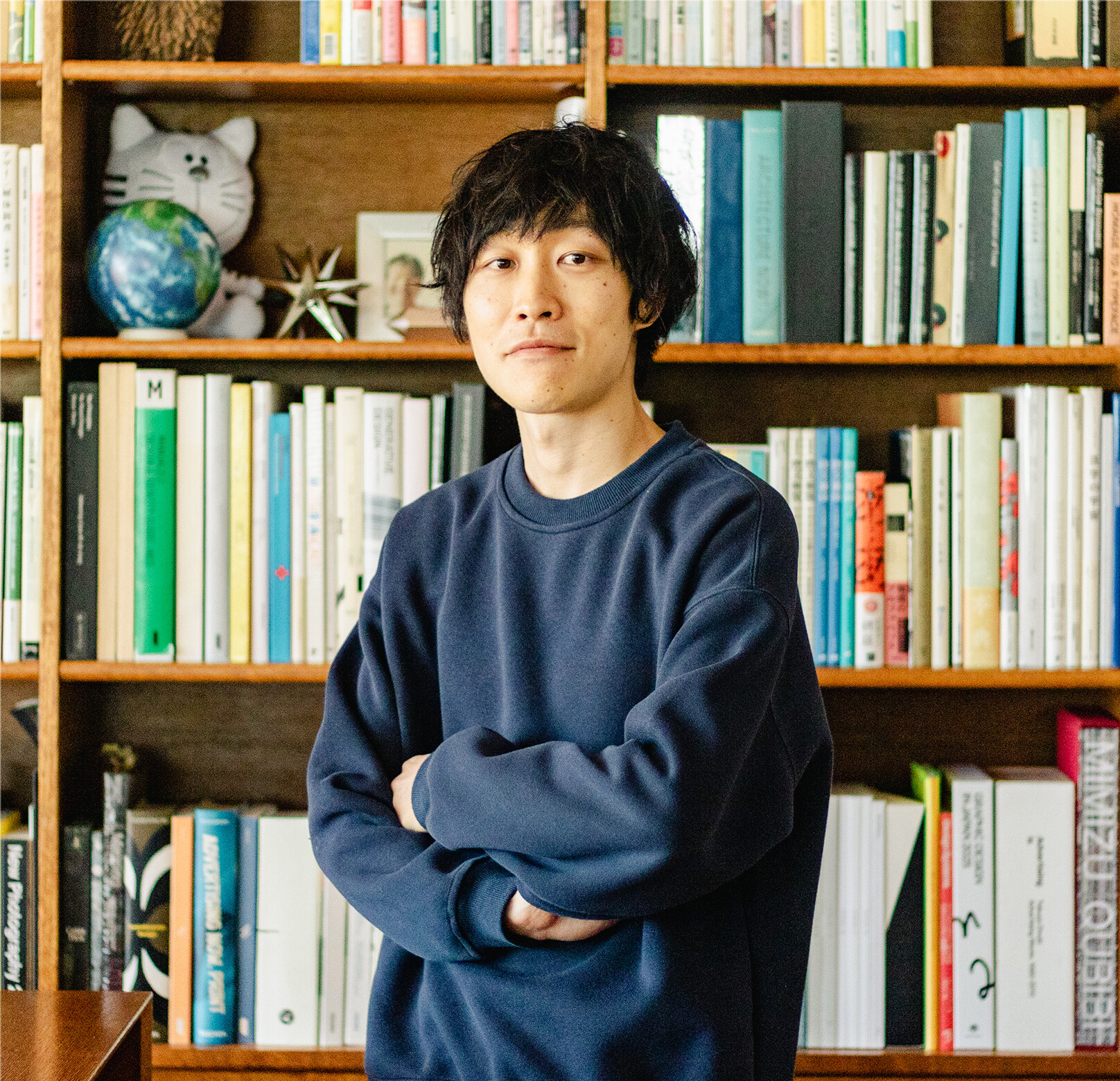
Kenji Okabe
TD

Nana Terada
Dev

Nozomu Suda
Dev

Akari Yamashita
Dev
Written by
Nozomu Suda
Dev
Contents
Individual Interests Revealed Through Self-Introductions
The networking event began over drinks. We had planned for the entire gathering to last two hours, but we ended up spending those two hours just introducing ourselves to one another. When we presented our work, the conversation naturally expanded to “How did you make that?” and “Why did you go that far?” As we talked, the individual interests underlying each piece of work became clear.
Even though we’re all “design engineers,” we’re so different.
Amid the work-related discussions, there were stories about visualizing the motion of a pendulum out of an interest in mechanics, and even tackling the random number generation for bingo on one’s own. There were also introductions to work that goes beyond simply building a service to actually seeing it used and integrated into an organization. I’d already sensed this from Takram’s projects, but it was truly a gathering of a diverse group of people.
Even within the same “design engineer” role, their areas of interest, experiences, and areas of focus differ.
These differences became increasingly apparent as we listened to their self-introductions.
Getting to know the people behind the work revealed things we couldn't see from the finished projects alone. It seemed that what each person pays attention to, and how far they want to explore or test something, is also reflected in the way they approach their work.
As the meeting gained momentum, it also became clear how each individual’s interests and judgments are leveraged within the team’s work.


There’s no set way of doing things: Takram’s approach to project development.
When we asked about how Takram works, what stood out was that they don't have a single person overseeing and reviewing all of their work.
For each project, a director and team members come together to move the project forward, each contributing their own expertise. It’s said that someone who serves as a director on one project might participate as a team member on another.
Everyone just carries the ball on their own. It’s like we all come together in the end.
Since the approach and direction vary depending on the project leader, Mr. Nakamoto—who joined the company after interning there—says, “It might really feel like a different company.” From the outside, Takram appears to be one company, but internally, the way each project operates seems to vary considerably.
With no set rules, why does it still feel “like Takram”?
Rather than following the same procedures,
it’s about each creator being able to make decisions based on their own interests and expertise—and then bringing those decisions together within the project.
Perhaps that offers one clue to how the work we recognize as distinctly “Takram” comes into being.
So what about mount?
As we were discussing this, the Takram team turned the question back to us.


Where does the ‘mount-ness’ come from?”
When we look at mount's work, we sense something consistent in the way the details move and how satisfying those movements feel.
It seems the Takram team also sensed a distinct character in mount’s work.
At mount, particularly among the engineers, there are no special rules or techniques that everyone follows. There’s no shared “secret manual” detailing how to create animations, choose easing curves, or specify “use this animation in this situation.” On the other hand, there is a shared understanding that we must meticulously craft every detail and strive for high quality. However, the methods for achieving that are left up to each individual.
So, what criteria do we use to judge whether “this is good enough” or “we can make it a little better”?
Even when they “go head-to-head,” the goal isn’t just to argue.
Looking back on having observed Umetsu’s work for some time, Okabe says, “There's a good example to learn from right beside me.” “I watch what they do and learn from it on my own.”
He’s also witnessed CEO Im and engineer Umetsu exchanging frank opinions.
The art director takes overall responsibility for the final product. That said, the engineer isn’t merely there to follow instructions. Okabe described this exchange as “going head-to-head.”
Perhaps this culture of lively debate between the two has been passed down to mount.
What matters, I think, isn't arguing forcefully for its own sake, but communicating your own judgment to the other person by saying, “I think this approach would be better.”
Just because the other person has their own role and responsibilities doesn’t mean you should give up on thinking for yourself.
I think it’s important not to overlook anything that feels off.

If words aren’t enough, build it and show it.
The conversation extended beyond just how opinions are exchanged to specific production scenarios. During the creation of Kokuyo’s website, the designer created a pop-up book to convey the vision. At “writing & design,” a shadow animation shot by the designer served as inspiration for the project.
Instead of explaining things with words alone, we create something to show. Then, with the finished product in front of us, we exchange opinions again.
Engineers also frequently create mockups and exchange opinions while showing them.
Looking at it this way, it seems that what has been passed down isn't just techniques or ways of creating movement. We observe the work of those around us, exchange opinions, and try things out for ourselves. Through this repeated process, we gradually develop our own sense of what makes something good.
Perhaps what people recognize as distinctly “mount” from the outside is a reflection of these everyday creative processes.

“It's a lot more down-to-earth and painstaking than I expected.”
They refine their work by exchanging ideas. It seems Takram has moments like that, too.
When someone sees what another team member has created, it gets everyone else fired up. “If that’s the case, then how about this!”—new ideas pile up, and something great takes shape. Sometimes things come together naturally that way, but at other times, they have to challenge each other's ideas to make something better.
Both at Takram and at mount, there’s a balance between individual judgment and interaction with others. On that foundation, do you build upon someone else’s idea, take it a step further by asking probing questions, or leave it to them for the time being? I think there are differences in how people and teams approach these interactions.
What I felt they had in common was
the mindset of constantly wondering if they could make what’s right in front of them just a little better.
To that end, they create prototypes themselves. They translate hard-to-describe movements into code. They present alternative ideas to others. Throughout the gathering, we heard many stories about these processes, which are often difficult to see in the finished work.
Mr. Deguchi, who had previously worked with Takram as a client, spoke about the difference between his external impression and the reality he encountered:
“It’s much more hands-on than I expected.”
When we sense something that feels “typical of Takram” or “typical of mount,” perhaps what we’re actually seeing is the result of having gone through these very processes.

What Makes the Work Distinctive Begins Before It's Finished.
I feel that what makes a company's work distinctive lies not only in the techniques or rules used to create it, but also in what the people behind it are interested in, what they consider good, and how they communicate those judgments.
These judgments aren't formed by individuals alone. They develop as people observe one another's work and exchange opinions, and are carried forward into future projects.Perhaps it's the accumulation of these everyday judgments and interactions that people outside the company recognize as its distinctive character.
Learning about the background of Takram’s work also meant reexamining the ways we work that we’ve come to take for granted.
Where do we find satisfaction, and where do we decide to try again? With whom have those standards been developed? I believe that what makes mount's work distinctly its own will continue to take shape through these everyday decisions and interactions with others.


* This article used AI to help with the translation.


